Forest
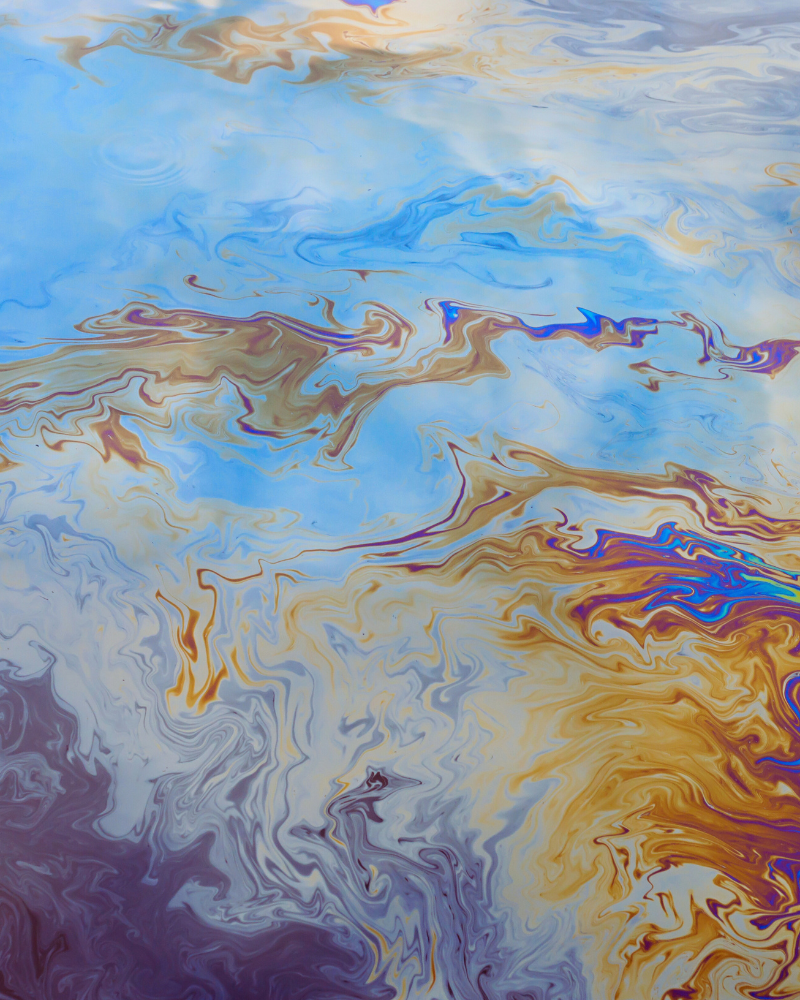
Oil in water
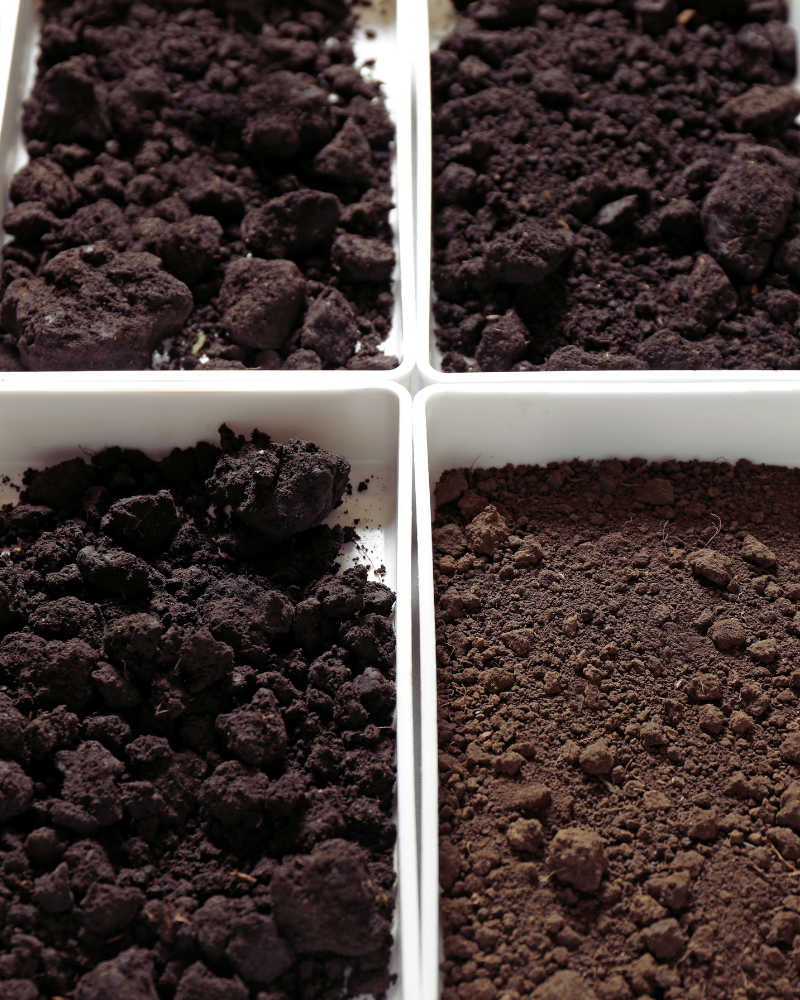
Trays of different soil samples
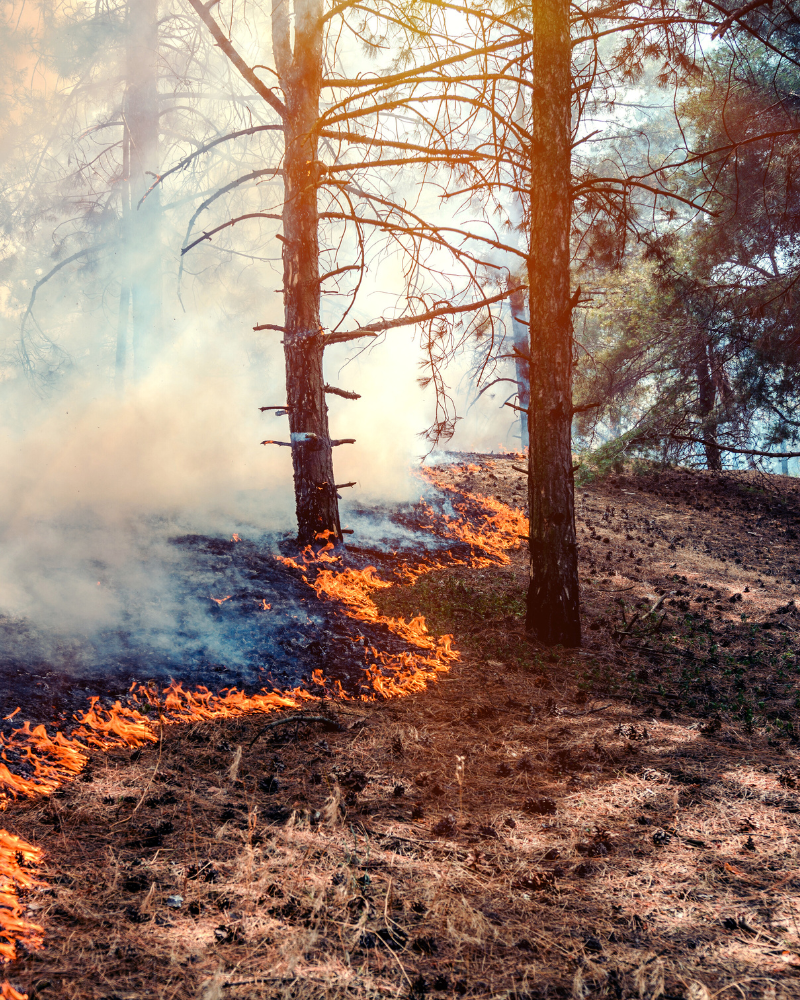
Forest Fire

Unmatched Environmental Insight Through Hyperspectral Imaging

Hyperspectral imaging provides a powerful, non-invasive tool for monitoring and analyzing environmental conditions with unmatched detail. 

By capturing light across hundreds of wavelengths, hyperspectral imaging technology can detect subtle changes in vegetation health, soil composition, water quality, and atmospheric conditions that are invisible to conventional imaging methods. 

Researchers, conservationists, and environmental agencies can leverage hyperspectral data to assess ecosystem health, track pollution, identify invasive species, and monitor the impacts of climate change over time.

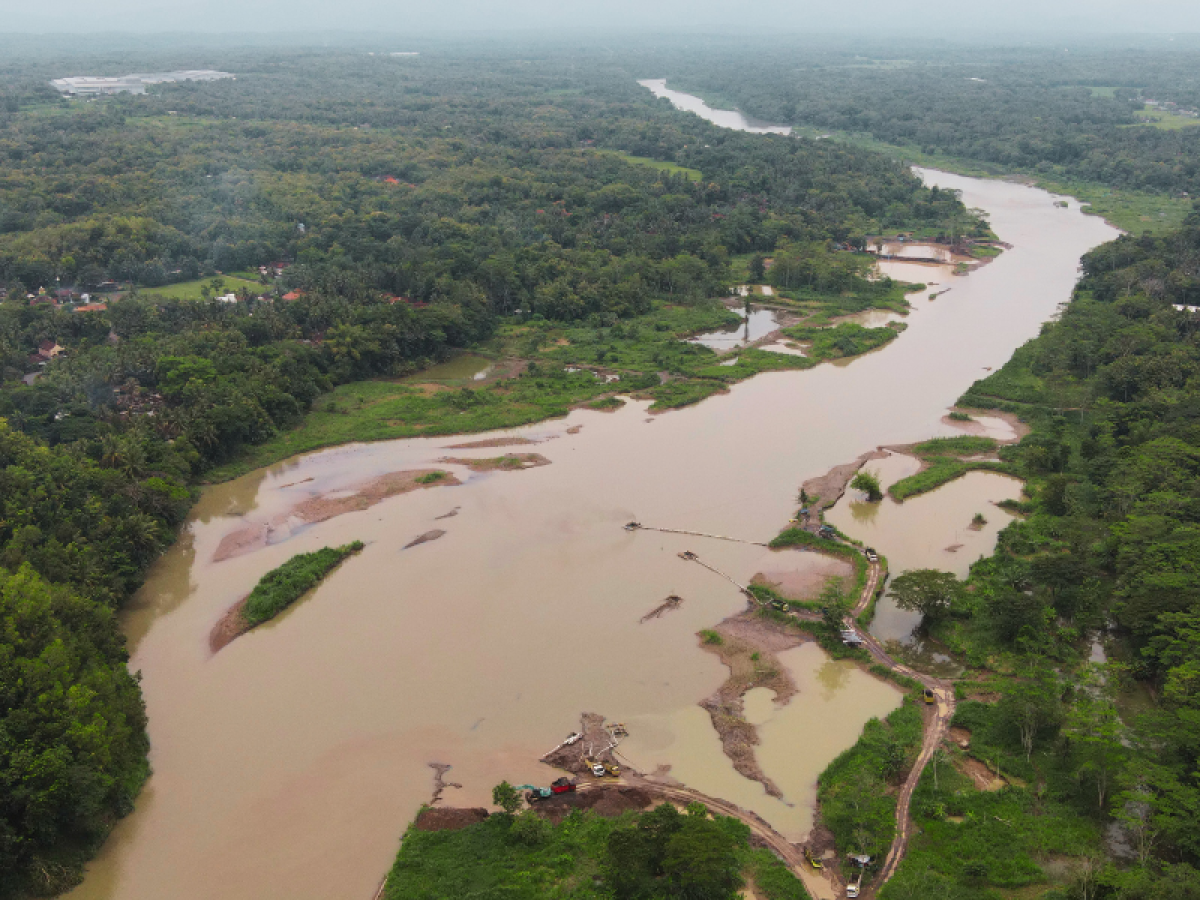
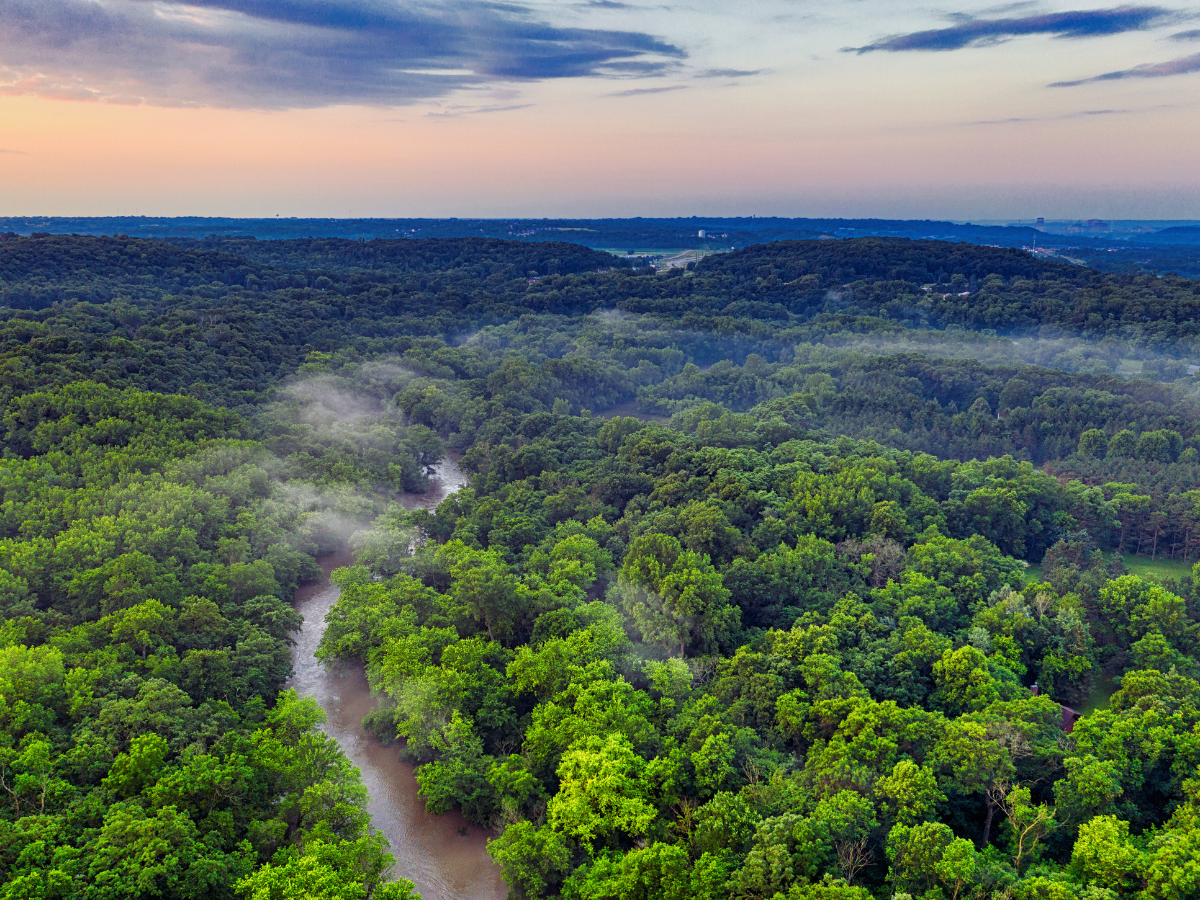
Airborne image of a river running through forested areas with structures

Key Benefits of Hyperspectral Imaging for Environmental Monitoring:

  • Detailed Material and Chemical Identification: Captures hundreds of narrow spectral bands, enabling precise identification of materials, pollutants, vegetation types, and water constituents that are indistinguishable with conventional imaging.
  • Early Detection of Environmental Change: Reveals subtle spectral shifts associated with stress, contamination, or degradation before visible changes occur, supporting proactive intervention.
  • Non-Destructive with Remote Sensing Capability: Allows large-area monitoring without physical sampling, reducing environmental disturbance and enabling access to remote or sensitive regions.
  • High Sensitivity to Water Quality Parameters: Accurately detects chlorophyll concentration, turbidity, dissolved organic matter, algal blooms, and pollution in freshwater and marine environments.
  • Quantitative and Repeatable Measurements: Delivers consistent, data-driven insights that support long-term monitoring, trend analysis, and regulatory compliance.
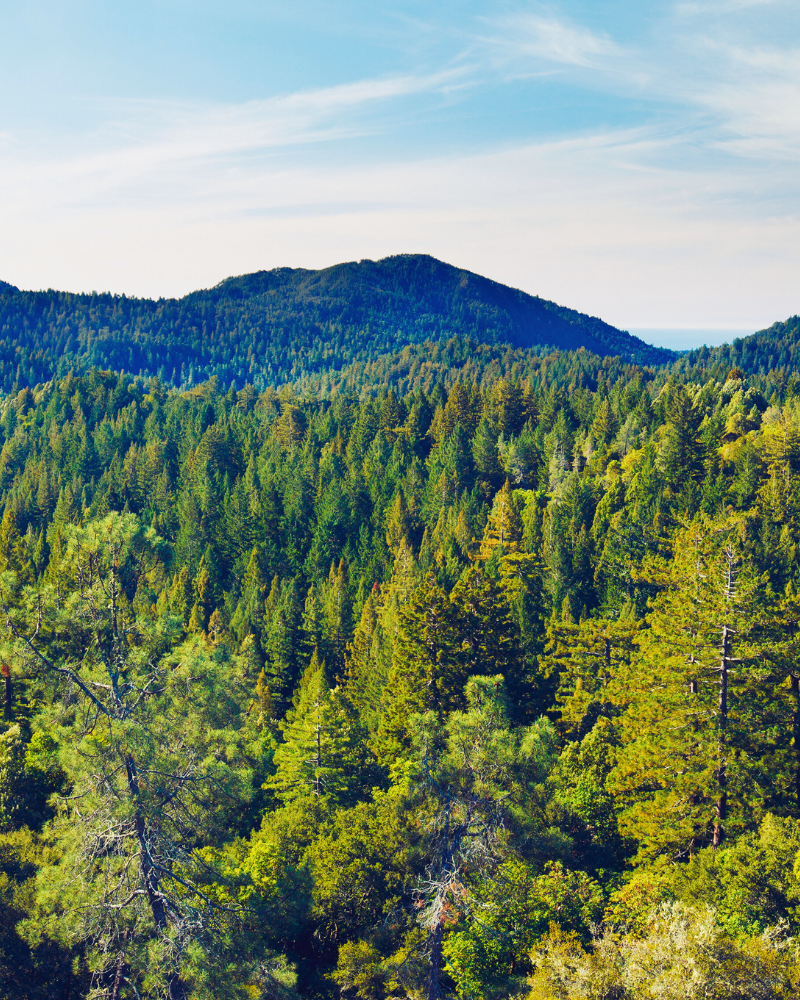
Image of forest from above

Forestry Management

Hyperspectral imaging is a powerful tool for monitoring and managing forest ecosystems. By capturing detailed spectral information across hundreds of narrow wavelengths, hyperspectral imaging technology allows for precise identification of tree species, assessment of forest health, and early detection of stress factors such as disease, pest infestations, or drought. 

Unlike conventional imaging methods, hyperspectral imaging can detect subtle physiological changes in trees before they become visually apparent, enabling proactive management strategies that preserve forest vitality and biodiversity.

Hyperspectral imaging also supports sustainable forestry practices by providing data for biomass estimation, carbon stock assessment, and habitat mapping. Forest managers can use this information to optimize logging operations, monitor reforestation efforts, and evaluate the ecological impact of human activity. 

The technology can also facilitate wildfire risk assessment by identifying areas of stressed or highly flammable vegetation, contributing to more effective prevention and mitigation strategies. 
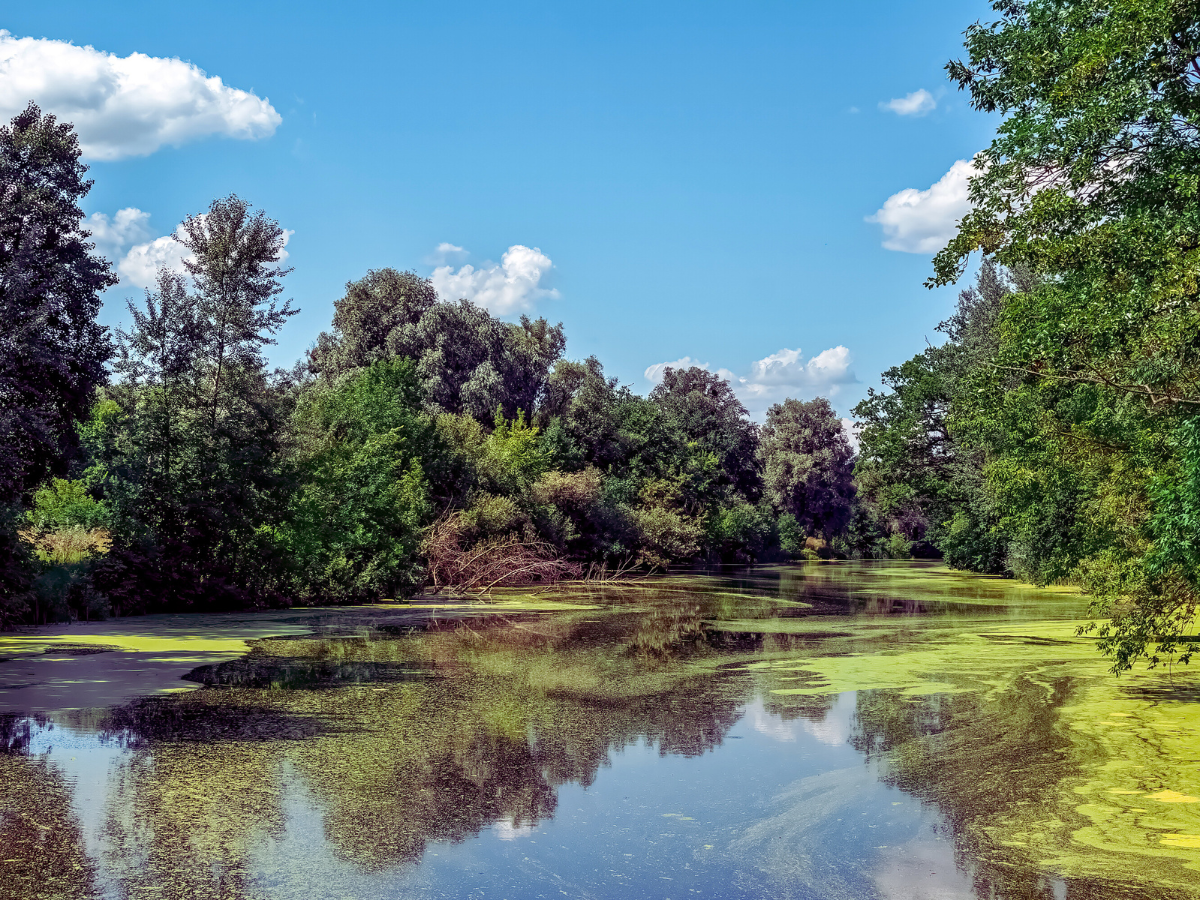
Body of water with algae blooms

Water Quality Assessment

Hyperspectral imaging allows for accurate measurement of critical parameters such as chlorophyll content and turbidity, providing insight into the health and productivity of aquatic ecosystems. 

Beyond basic water quality assessment, hyperspectral imaging can detect harmful algal blooms early, enabling proactive management and mitigation to protect both the environment and public health.

In addition to biological monitoring, hyperspectral imaging is highly effective for evaluating the impact of human activities on water bodies. It can track pollution levels, identify algae infestations, and assess the effects of agricultural chemical runoff. Emerging applications also include the detection and evaluation of microplastics, offering a non-invasive, large-scale tool for understanding and addressing environmental contamination in freshwater and coastal systems.

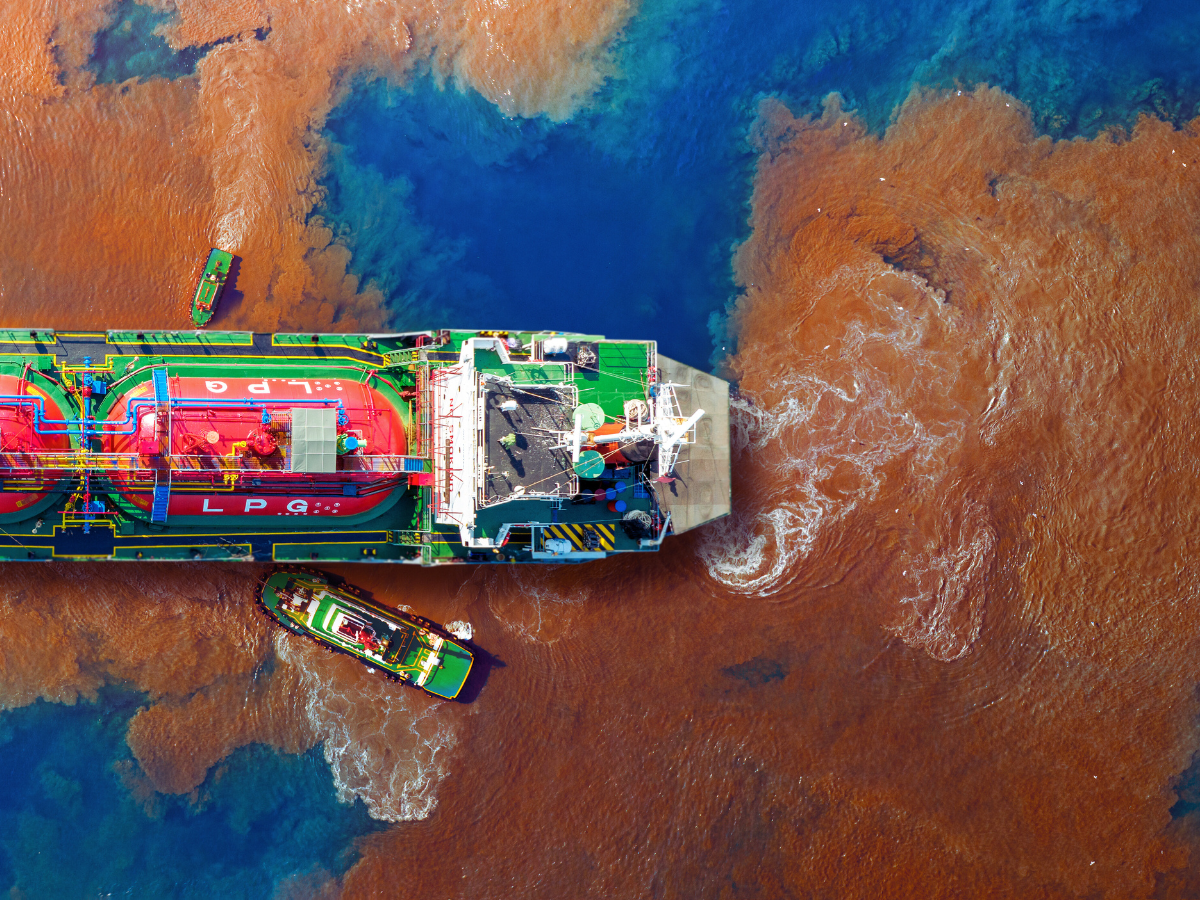
Ship with oil spill

Disaster Response and Environmental Damage Assessment

Hyperspectral imaging can be used to monitor and prevent natural disasters such as forest fires, landslides and floods to proactive monitoring and inspection. Drone-based hyperspectral cameras, such as the Specim AFX10 and AFX17, can be used to identify the presence and map the distribution of fire sensitive materials in nature and near infrastructured, providing opportunity to minimize fire risk through prevention measures. 

Hyperspectral imaging systems can also be used to differentiate between burned vegetation, oil types and affected/contaminated soil or water conditions following other natural disasters such as oil spills, chemical leaks and floods. This information is critical for disaster recovery planning and execution.