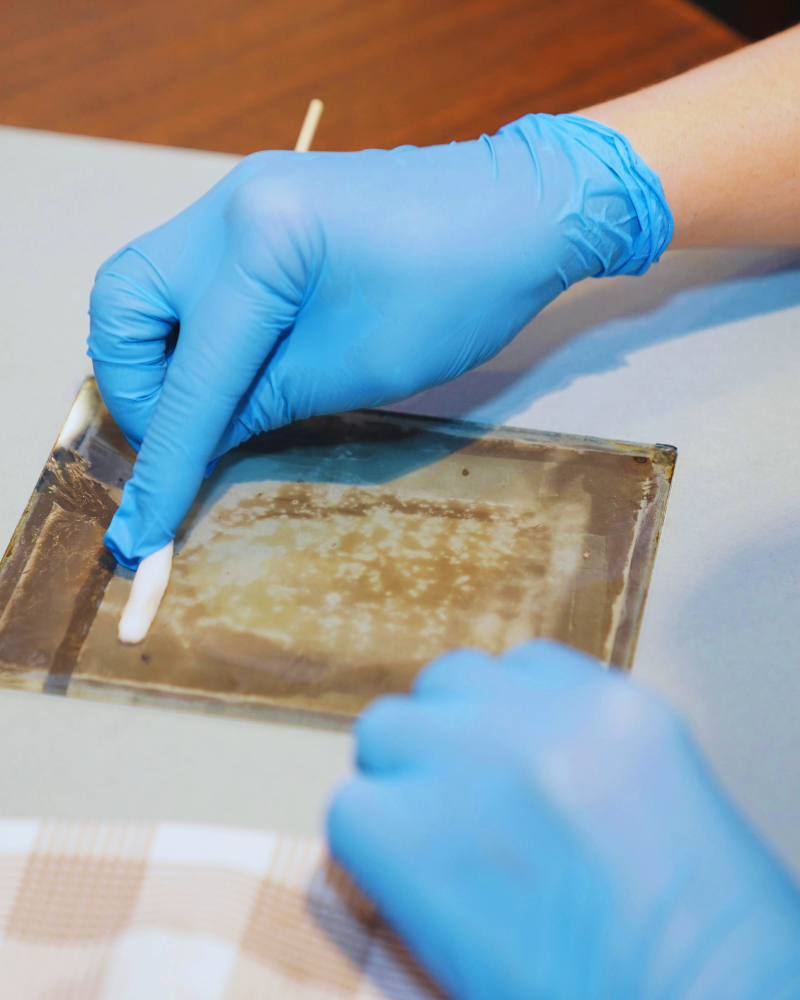
Person gently cleaning an artifact
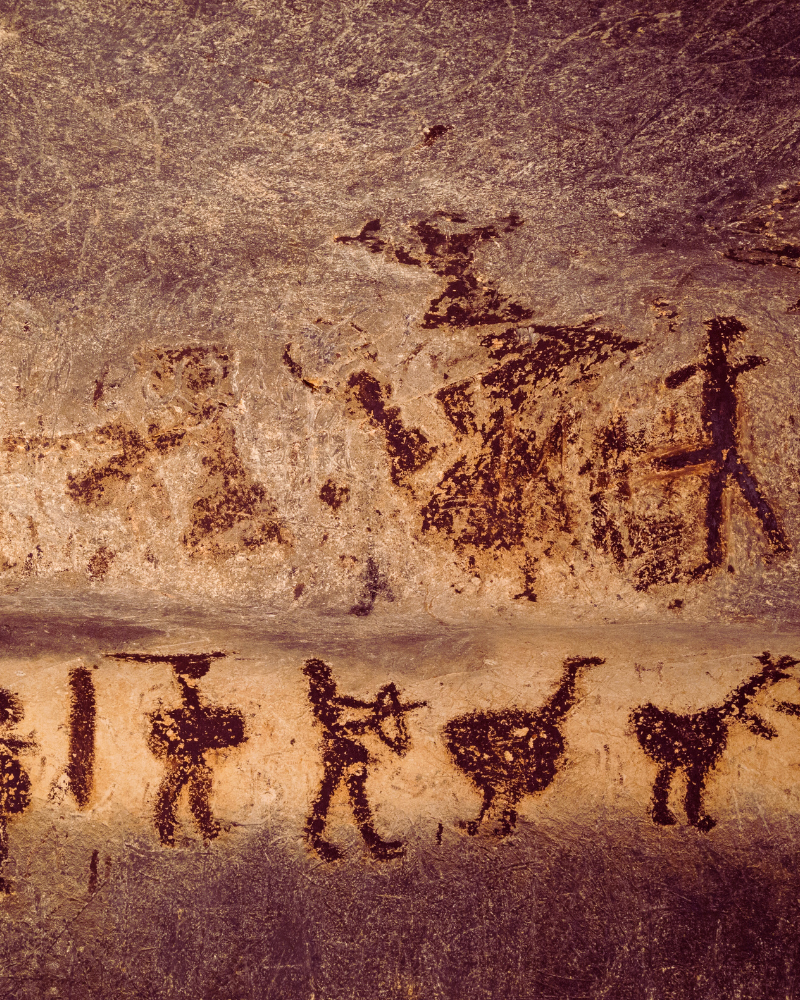
Cave painting
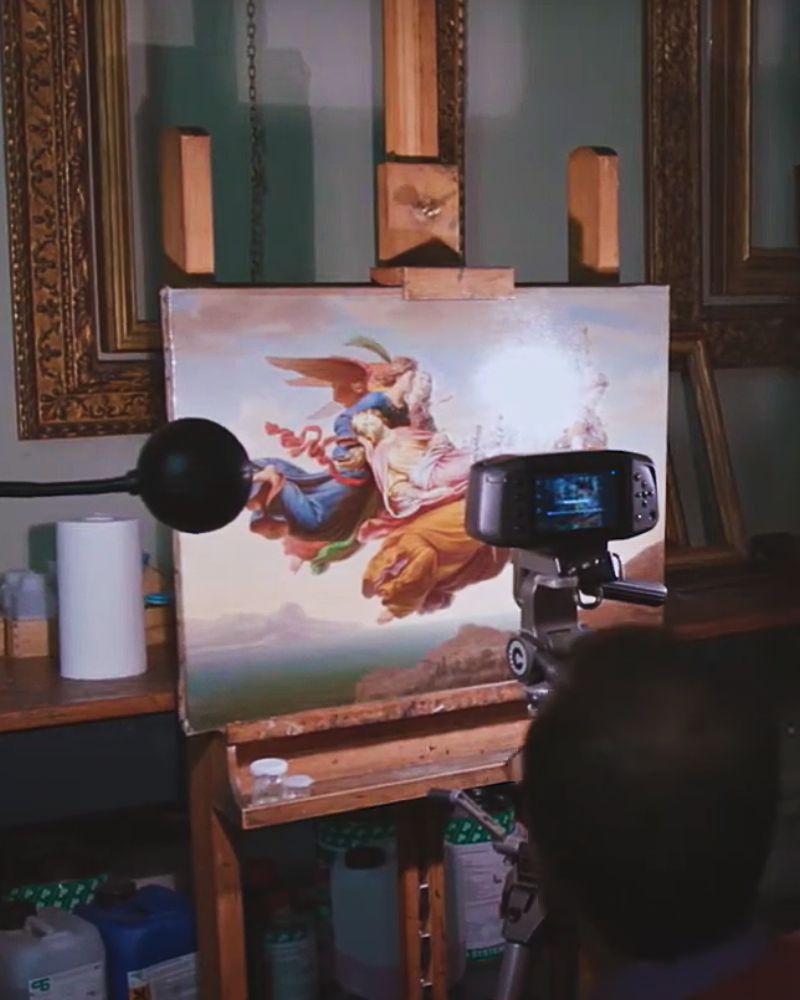
Art piece being analyzed with Specim IQ
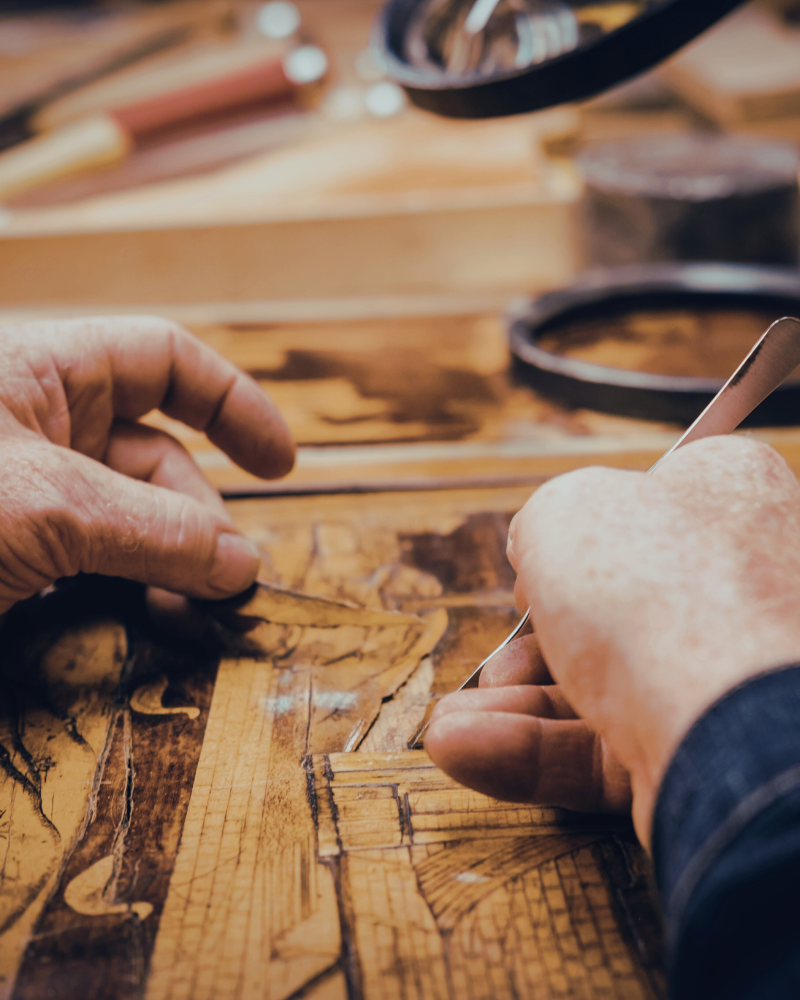
Manuscript exploration and restoration

Revealing the Past with Hyperspectral Imaging Insights

Hyperspectral imaging has become an indispensable tool for art conservation, cultural heritage analysis, and archaeological research. By capturing hundreds of narrow spectral bands across the visible and infrared wavelengths, hyperspectral systems can uncover details invisible to the human eye or visible imaging technology. From pigment identification to subsurface feature detection, hyperspectral imaging technology provides a non-destructive, scientifically sound approach for studying priceless artifacts and ancient materials.

Utilized in museums, restoration studios, archives, and archaeological field sites, hyperspectral imaging reliably delivers a deeper understanding of object composition, authenticity, and preservation requirements, helping experts protect and interpret cultural heritage like never before.

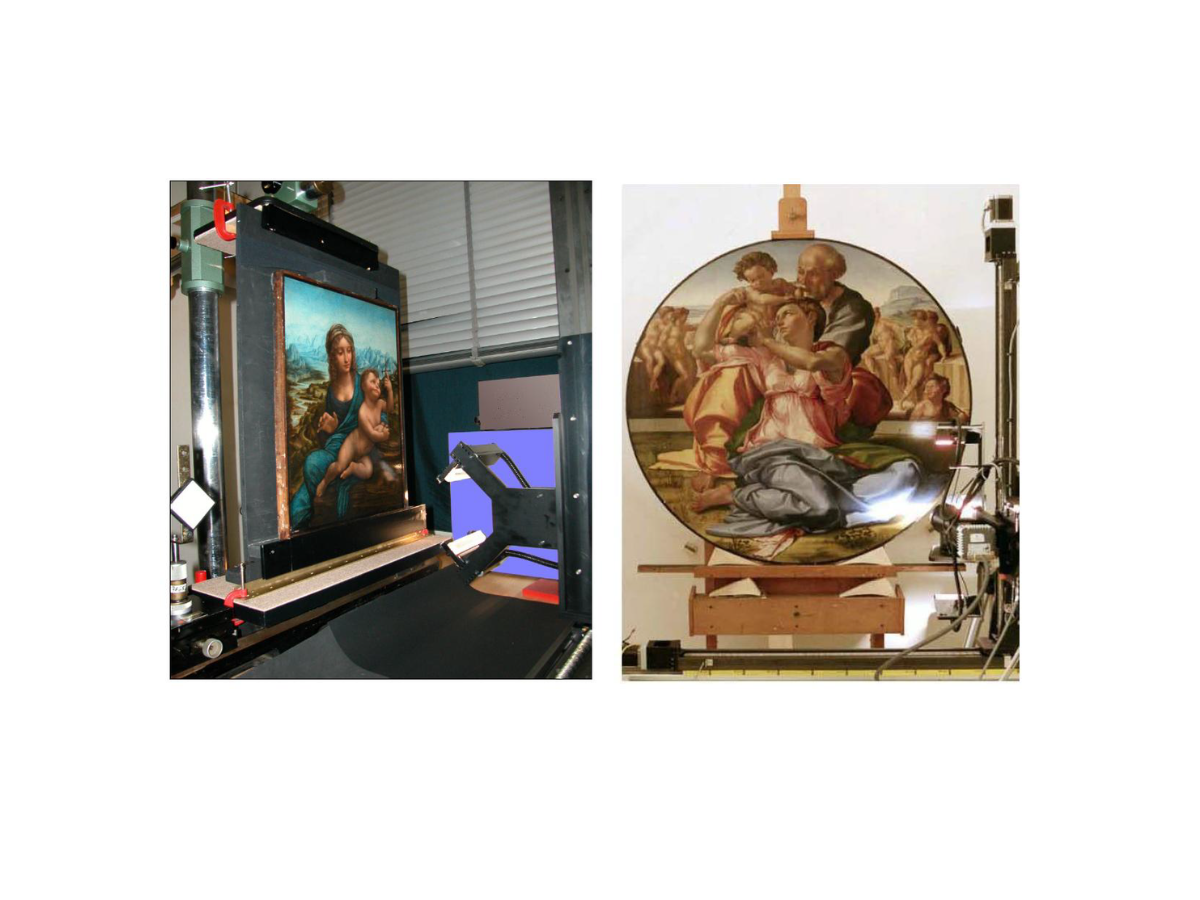
Scanning of two ancient artworks with hyperspectral imaging

Key Benefits of Hyperspectral Imaging for Art & Archaeology:

  • Non-Destructive Analysis: Examine paintings, artifacts, and historical materials without physical contact, preserving fragile objects while gathering detailed scientific data.
  • Precise Material Identification: Distinguish pigments, inks, textiles, minerals, and binders through their spectral signatures for accurate characterization and provenance studies.
  • Revealing Hidden Features: Detect underdrawings, corrections, buried details, and subsurface structures that are invisible to standard imaging methods.
  • Enhanced Conservation Decision-Making: Map deterioration, aging, and environmental effects help guide restoration efforts with objective and quantitative information.
  • Authenticity Verification: Identify anachronistic pigments or materials and detect alterations to support authentication and forgery detection.
  • Archaeological Site Insight: Reveal soil anomalies, buried structures, and landscape features to support remote sensing, site discovery, and excavation planning.
  • Field and Lab Versatility: Deployable in museums, restoration studios, archives, and archaeological digs, providing flexible imaging options across diverse environments.
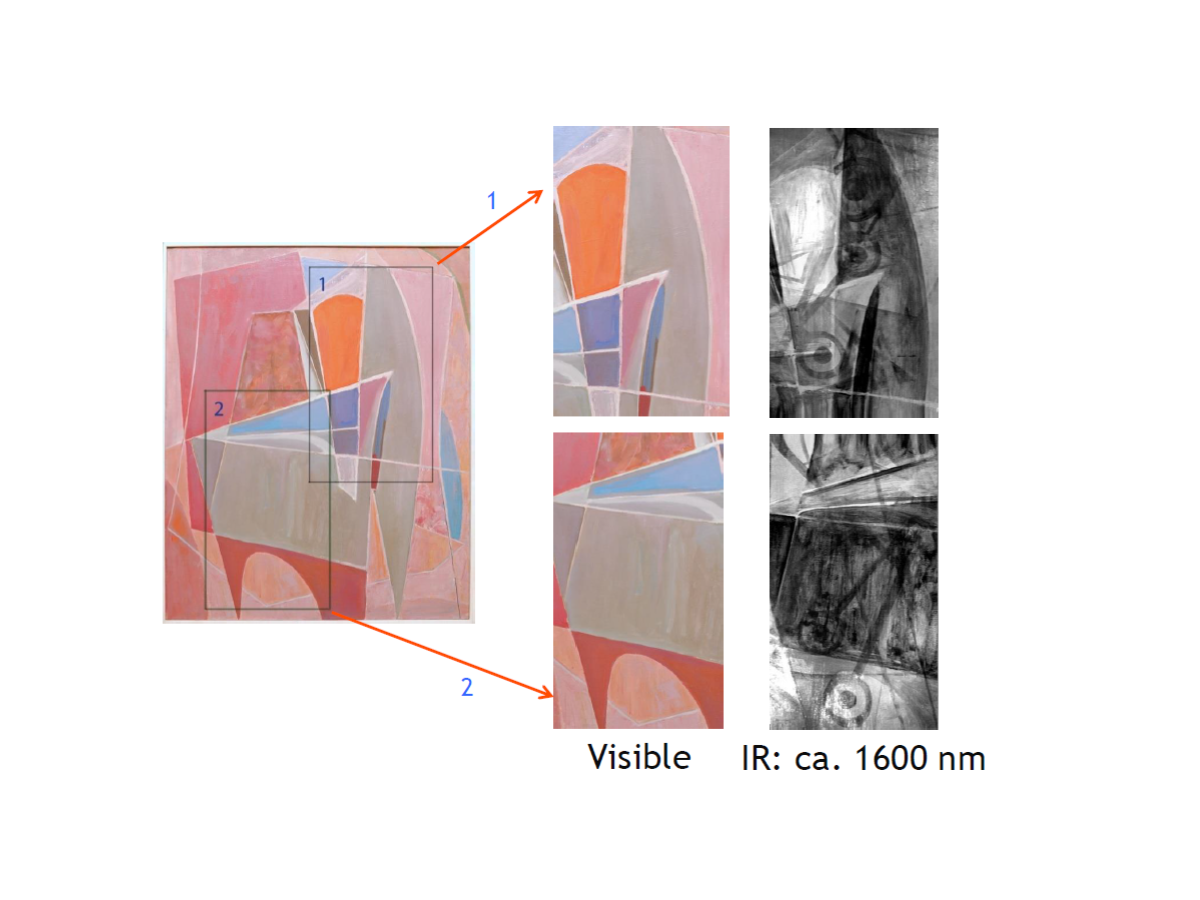
Artwork analysis with visible and IR hyperspectral imaging

Art Conservation

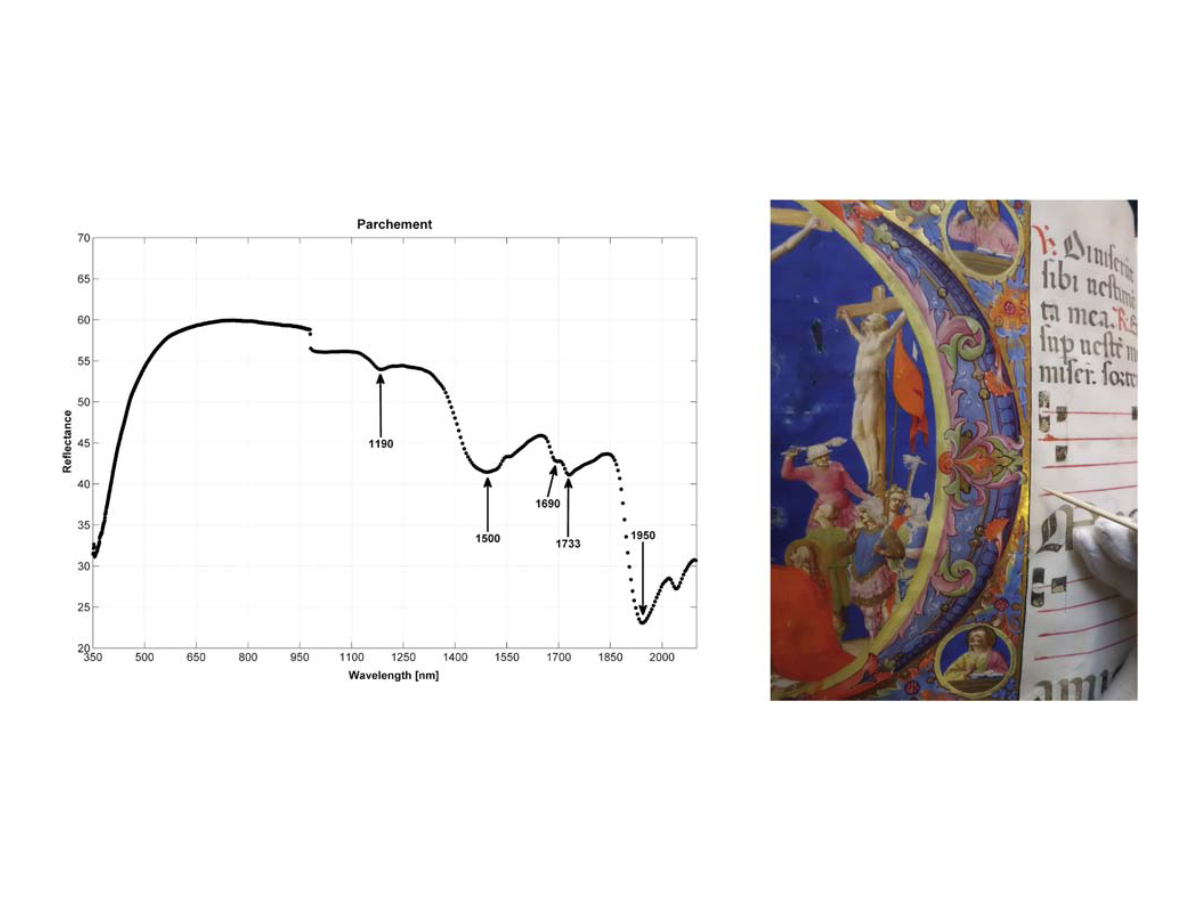
Hyperspectral imaging enables precise identification of pigments, binders, inks, textiles, and other materials based on their unique spectral signatures. Conservators can use these insights to analyze historical techniques, verify authenticity, and select compatible restoration materials. 

By penetrating surface layers and isolating specific spectral ranges, hyperspectral imaging can reveal sketches, corrections, earlier compositions, and overpainting. Museums and researchers utilize this capability to better understand an artist’s process, uncover hidden works, and guide conservation decisions, all without physical intervention.


Case Study: Monet's Painting Confirmed Genuine using Specim Hyperspectral Camera

Video: Art Analysis with Specim IQ

Ancient manuscript beside a spectral reflectance graph showing spectral signatures

Art Restoration

Hyperspectral imaging is a highly effective tool for mapping deterioration such as flaking paint, moisture ingress, varnish degradation, or biological growth. 

Spectral analysis provides objective data that helps track changes over time, quantify damage, and evaluate the impact of conservation treatments. This helps improve long-term preservation strategies for paintings, sculptures, and historical artifacts.


Case Study: Behind the Scenes: Scanning Work of Art

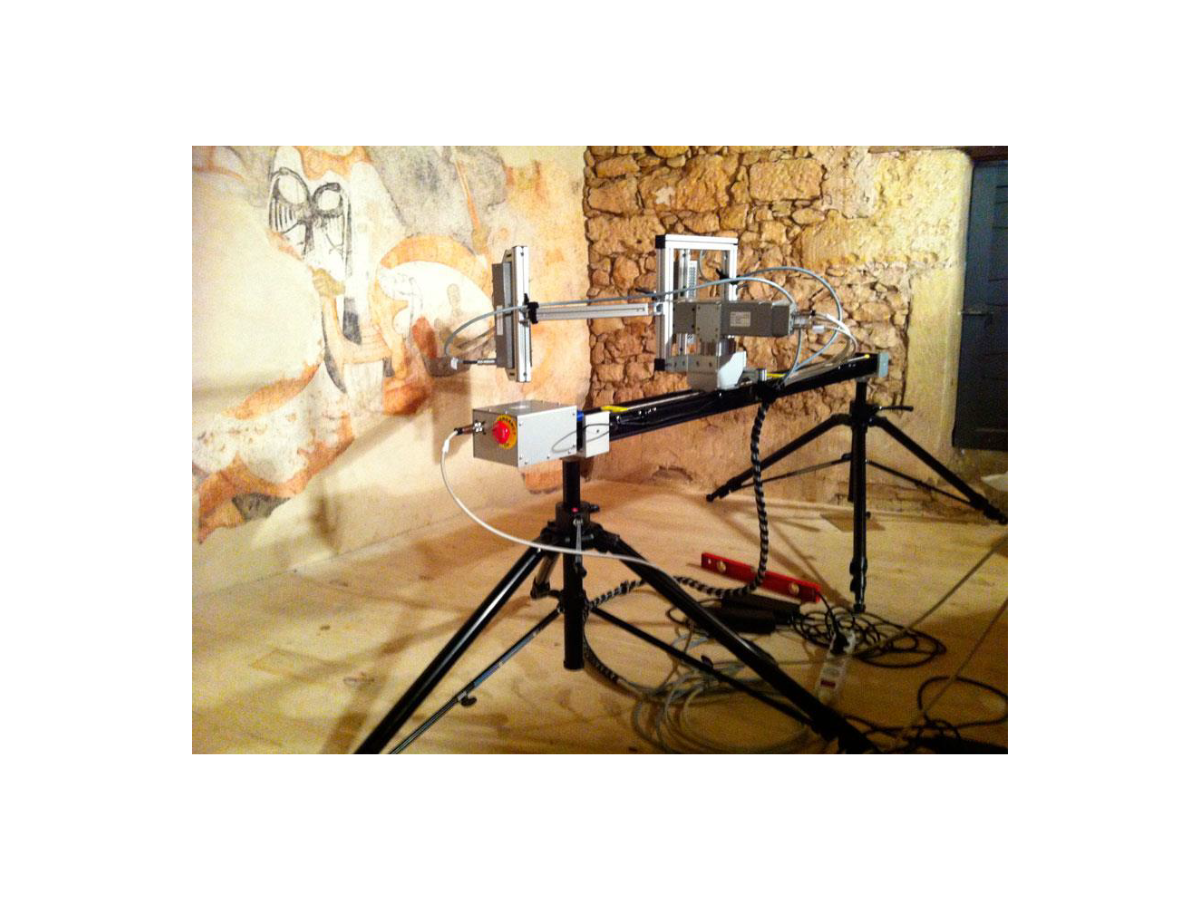
Hyperspectral imaging setup in front of rock wall featuring rock paintings

Archaeology

Hyperspectral imaging is utilizing in several important areas in archaeology, assisting in non-invasive exploration of archeological sites and artifacts.

Using aerial hyperspectral imaging systems, such as the Specim AFX10 and Specim AFX17, archeologists can identify hidden archeological features through the detection of subtle variations in soil composition, vegetation stress or buried structures. Researchers can use this information to identify potential excavation sites and better understand landscape changes over long periods of history.

Hyperspectral imaging can assist archaeologists in analysis of ceramic, metal, textile and stone artifacts to determine mineralogical and chemical composition. This information supports provenance studies, trade-route reconstruction and insights into ancient manufacturing techniques.

In the field, portable hyperspectral cameras such as the Specim IQ can help identify organic residues, pigments on artifacts and stratigraphic differences in soil layers. High-resolution spectral maps can also enhance documentation accuracy and create digital records that preserve contextual information long after excavation is complete.


Video: Measuring Hossa Värikallio Rock Paintings with Specim FX10