Providing food producers with the data they need to safeguard products, optimize processes, and deliver consistent quality to consumers.
ImprovingQuality,SafetyandEfficiencyatEveryStage
Ensuring the quality and safety of food products is critical for protecting consumers, meeting regulatory standards, and maintaining brand reputation. Tradition inspection methods often rely on random sampling or destructive testing, which can be time-consuming, costly and limited in scope.
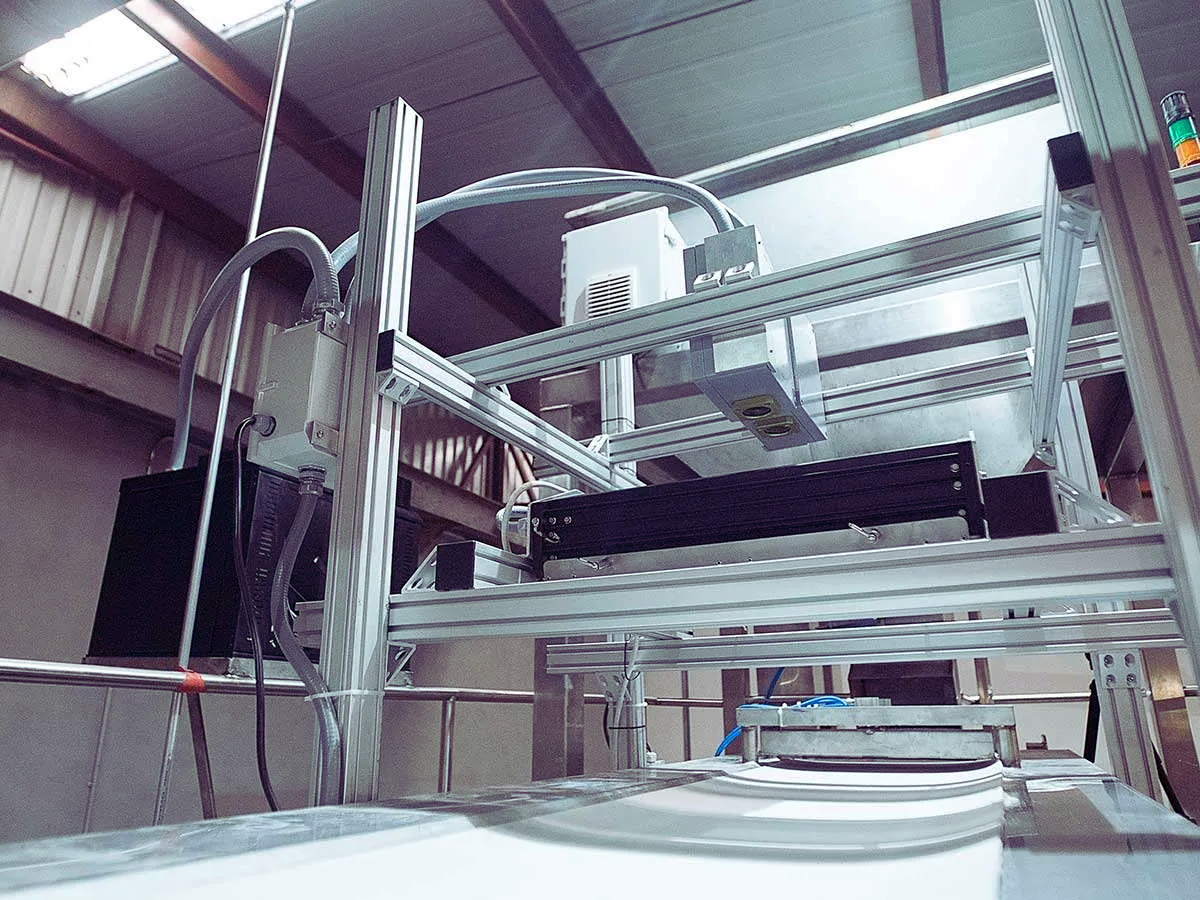
Hyperspectral imaging enables non-destructive, real-time evaluation of food products on the production line. Providing both spatial and spectral information, hyperspectral systems offer insights otherwise undetectable to the human eye or standard machine vision cameras, including chemical composition, surface features, and contaminant detection across the entire product.
Non-Destructive & Contact-Free: Accurately and efficiently inspect products without damage or alteration.
Consistent & Objective Results: Eliminate variability of visual inspection due to human error and inferior technology.
Improved Yield & Waste Reduction: Sort more accurately and reduce unnecessary product rejection and waste.
Regulatory Compliance: Ensure adherence to food safety and traceability requirements with spectral data.
ForeignObjectDetection
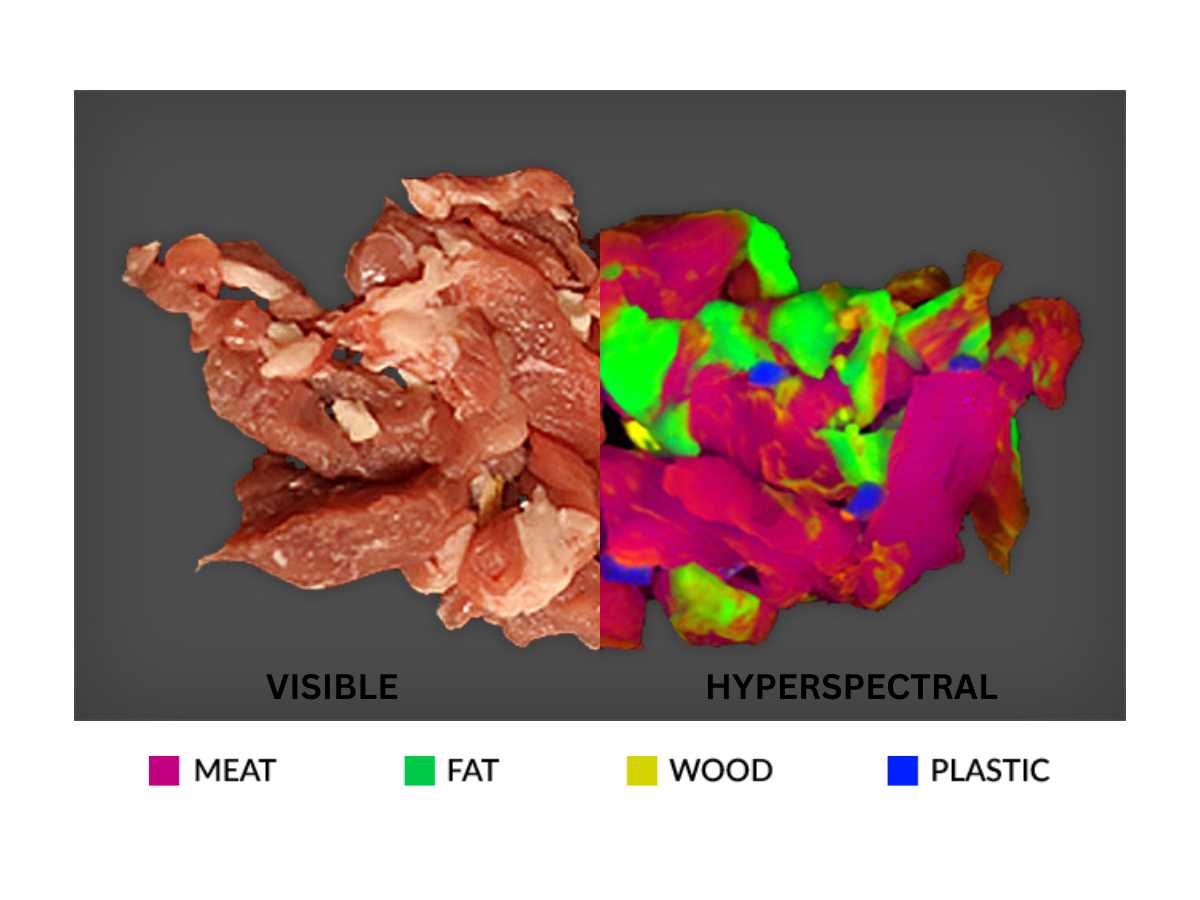
Foreign objects in food products, such as plastic fragments, wood pieces, metal, and organic matter, pose serious risk to consumer safety and brand integrity. Common inspection systems, such as X-ray and standard machine vision technologies, are valuable tools but struggle to reliably detect low-density materials or contaminants that are similar in appearance to the product itself.
Hyperspectral imaging technology can provide rapid and accurate identification of contaminants in raw materials and processed food products. Implementing high-performance HSI cameras, such as the Specim FX17 (NIR) and SX25 (SWIR), can significantly reduce the risk of contaminated products reaching consumers, prevent costly recalls, and support compliance with increasingly stringent safety regulations. The result is safer food, stronger consumer confidence, and greater operational efficiency.
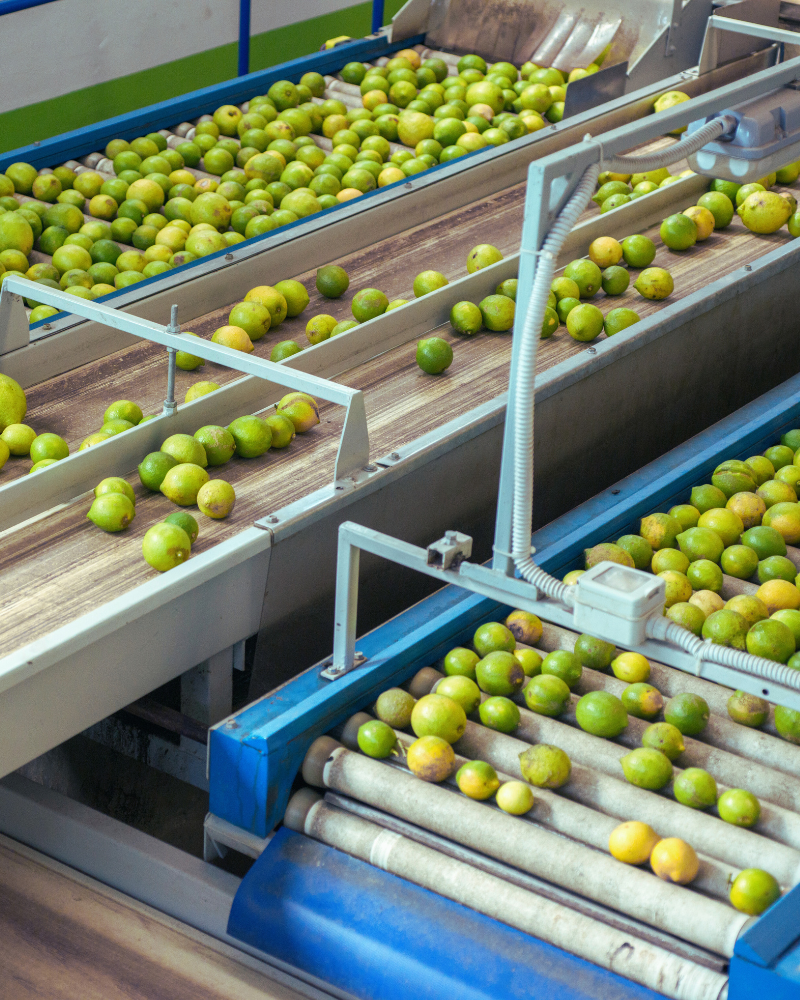
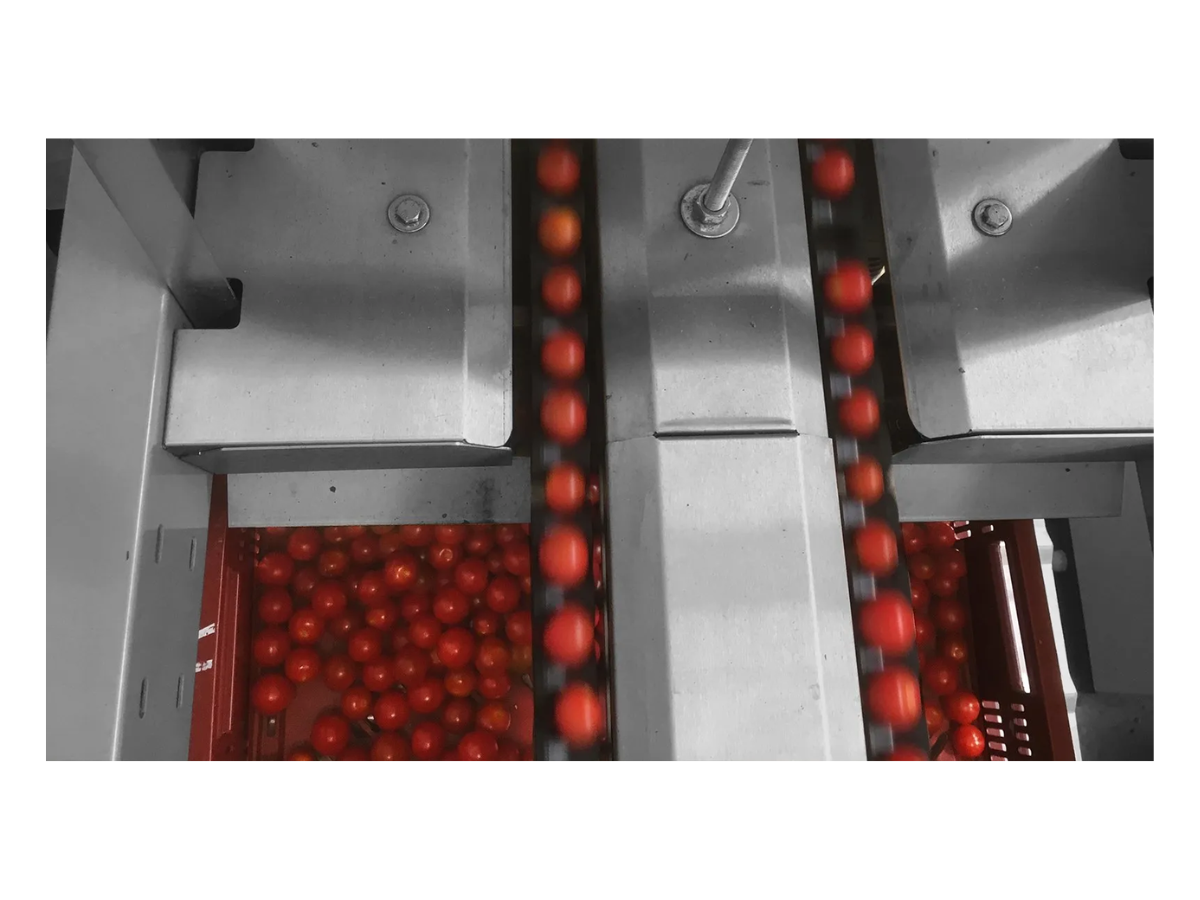
Evaluate and grade fruits, vegetables, meats and other products in real-time based on parameters such as internal ripeness, fat content, tenderness, bruising, and other quality markers.
Hyperspectral imaging enables precision sorting to optimize product consistency and reduce waste. By detecting subtle variations in product that are otherwise invisible to the human eye and visible imaging methods, it can automatically classify products by quality, size, or composition, ensuring that only product meeting quality standards reach consumers while lower-grade items are redirected for processing or alternative uses.
This enhances efficiency, minimizes manual inspection errors, and supports higher overall product value.
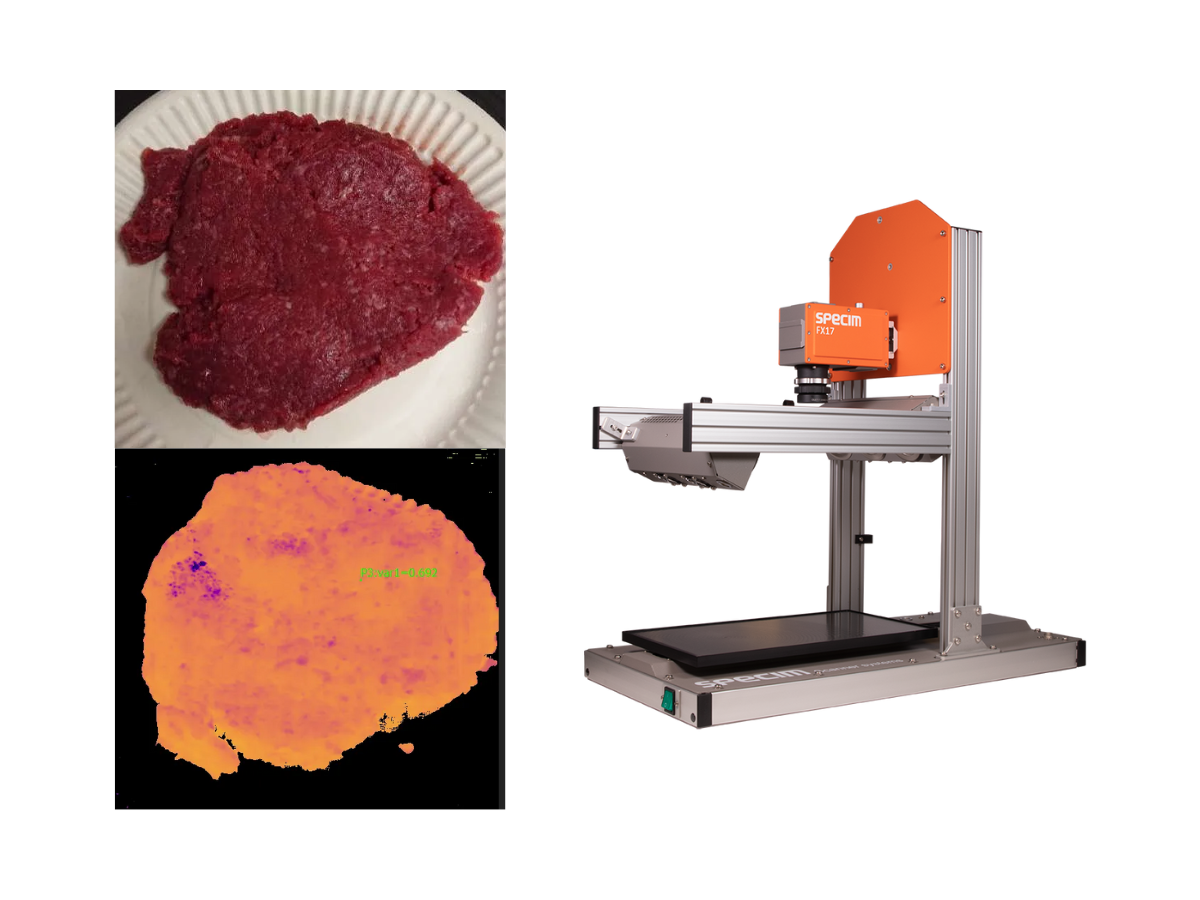
Assessing moisture and fat content of food products during production is an essential step in the quality control process for producers who want to deliver high quality and reliable products.
Hyperspectral technology can quantitatively measure internal composition of food products, such as moisture or fat content. By providing real-time, non-destructive analysis, hyperspectral imaging allows producers to monitor moisture and fat levels continuously throughout the production line.
This enables immediate adjustments to processing parameters, ensuring consistent product quality, optimizing texture and flavor, and reducing waste.
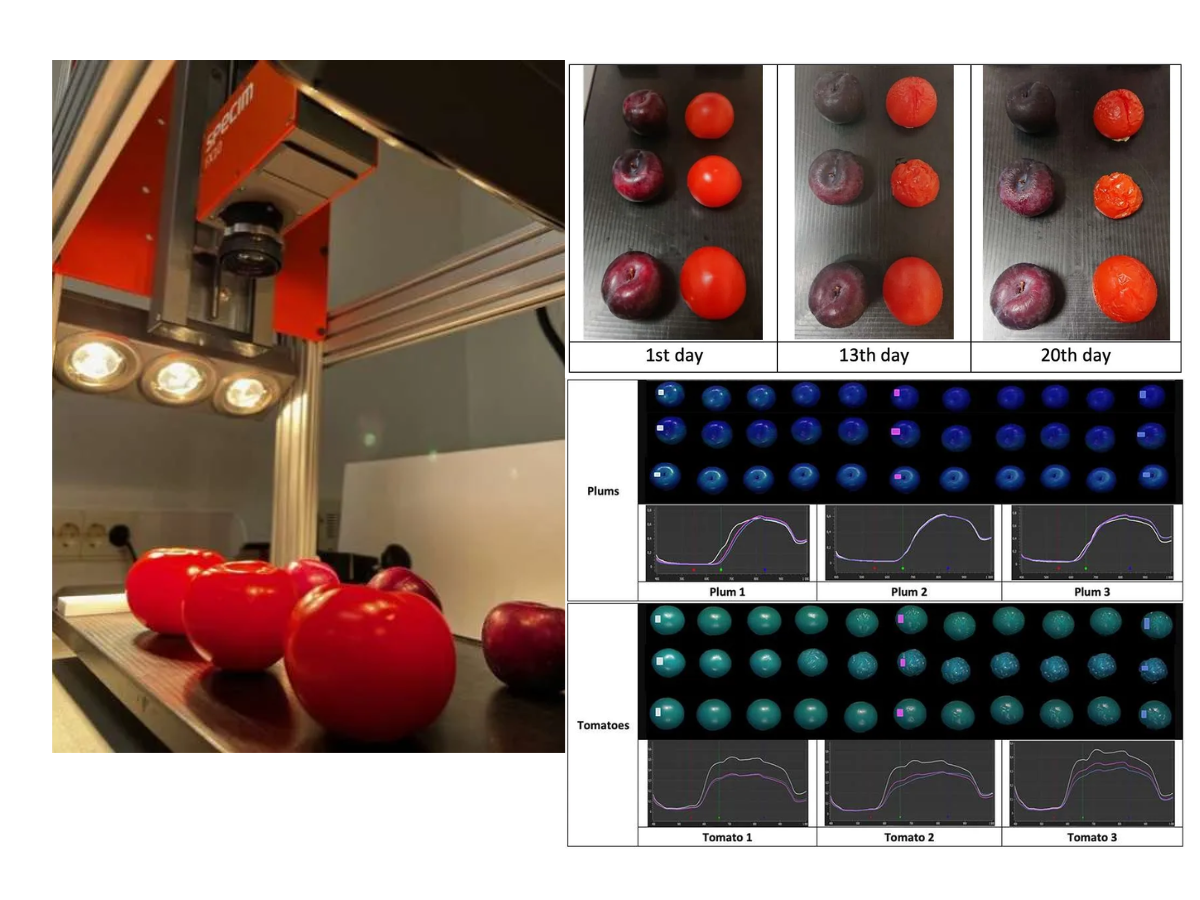
Fruit and vegetable freshness evaluation and monitoring is essential for producers to ensure quality of their retail product and prevent waste, which can lead to significant loss of profits and damage to their brand.
High-quality VNIR hyperspectral cameras, such as the Specim FX10, provide crucial insights for automated quality control systems directly on the processing line to ensure all compliance and quality standards are met.
Key changes in spectral reflectance occur during the food aging process, indicating levels of ripeness and firmness of the product. Regression models can then be used to quantify the food aging process
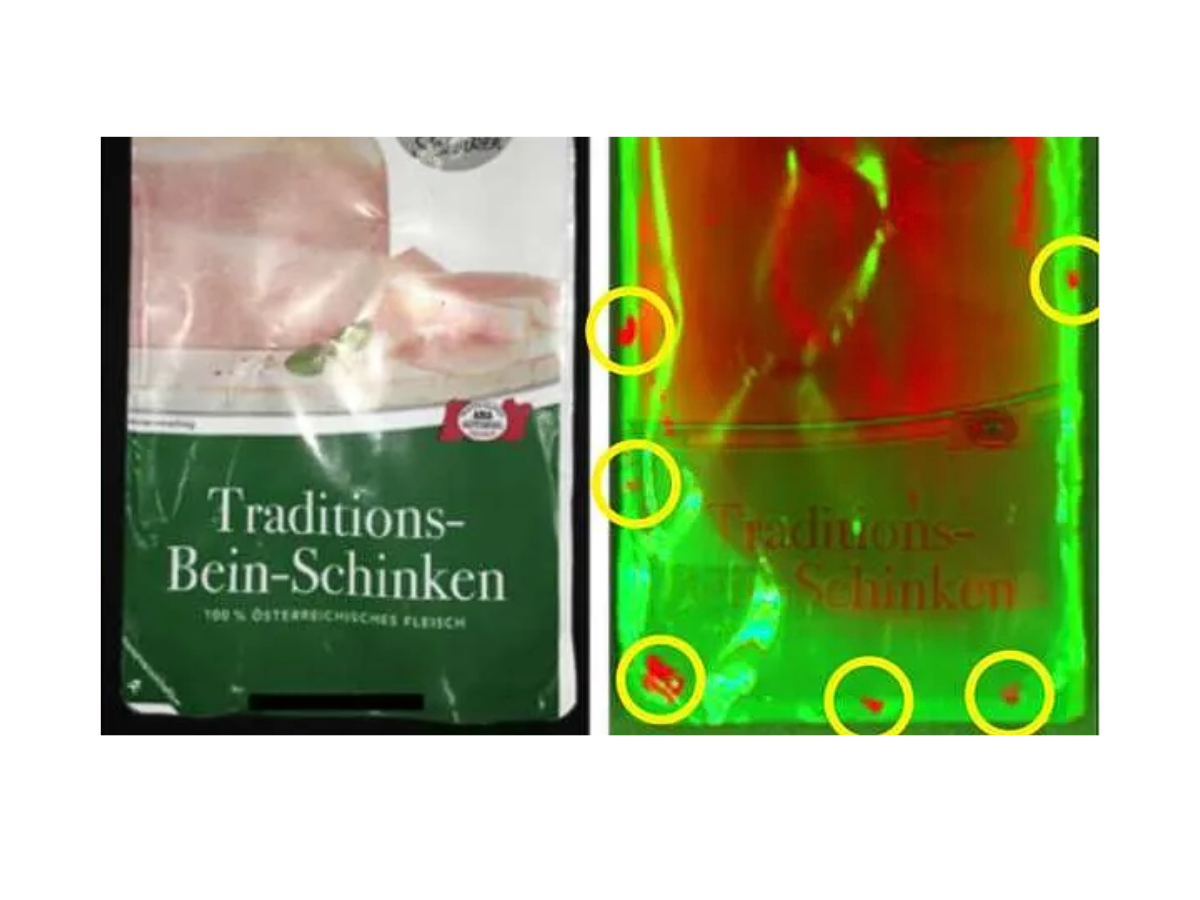
Proper packaging of processed food products is essential to preserve freshness, prevent contamination and detect leaks. NIR hyperspectral imaging with a high-quality system such as the Specim FX17 can be used to monitor the quality of heat seal packaging, detecting incomplete seams and leaking packages on the production line.
Adequate heat seals can not be achieved on compromised materials which can lead to mold, fungus or bacteria ruining the food product. Hyperspectral imaging can accurately detect contamination between the seal, preventing mold, fungus or bacteria from entering the package and ruining the product. HSI is also the only imaging method that reliably detect imperfect seals through sealing film, even when the package is printed.