From R&D labs to production floors and clinical settings, hyperspectral imaging supports smarter decisions, more efficient workflows, and improved patient outcomes.
Hyperspectral imaging technology is a transformative tool in the pharmaceutical and medical industries by providing non-destructive, real-time physical and chemical analysis at an exceptional level of accuracy and detail.
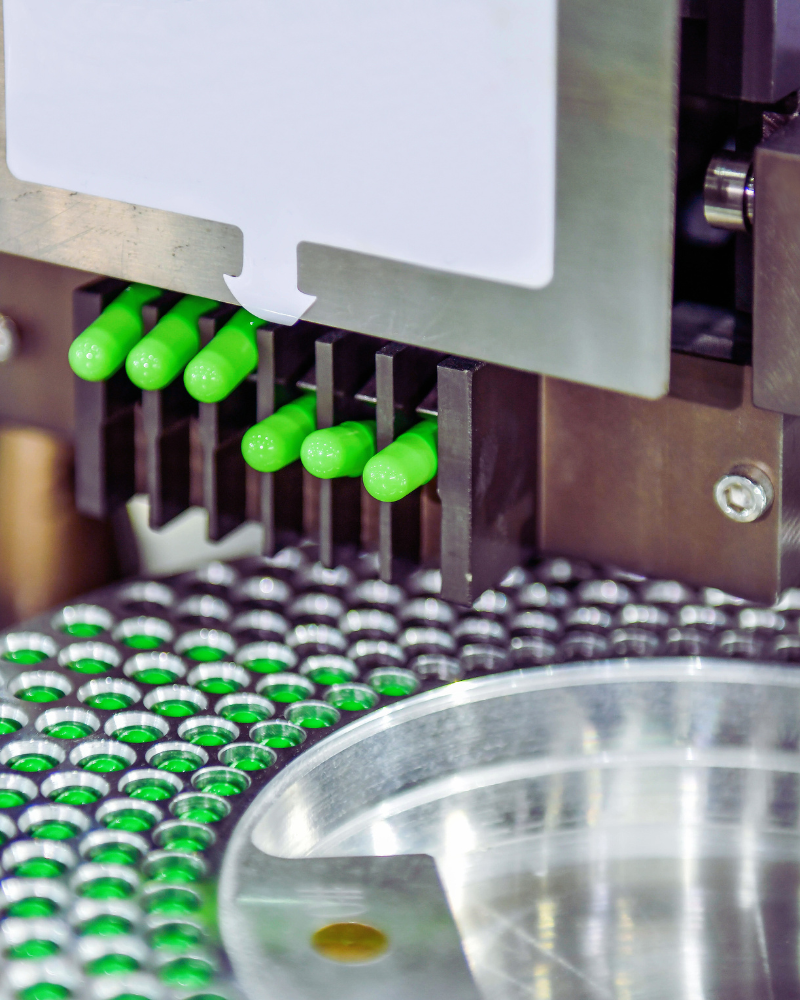
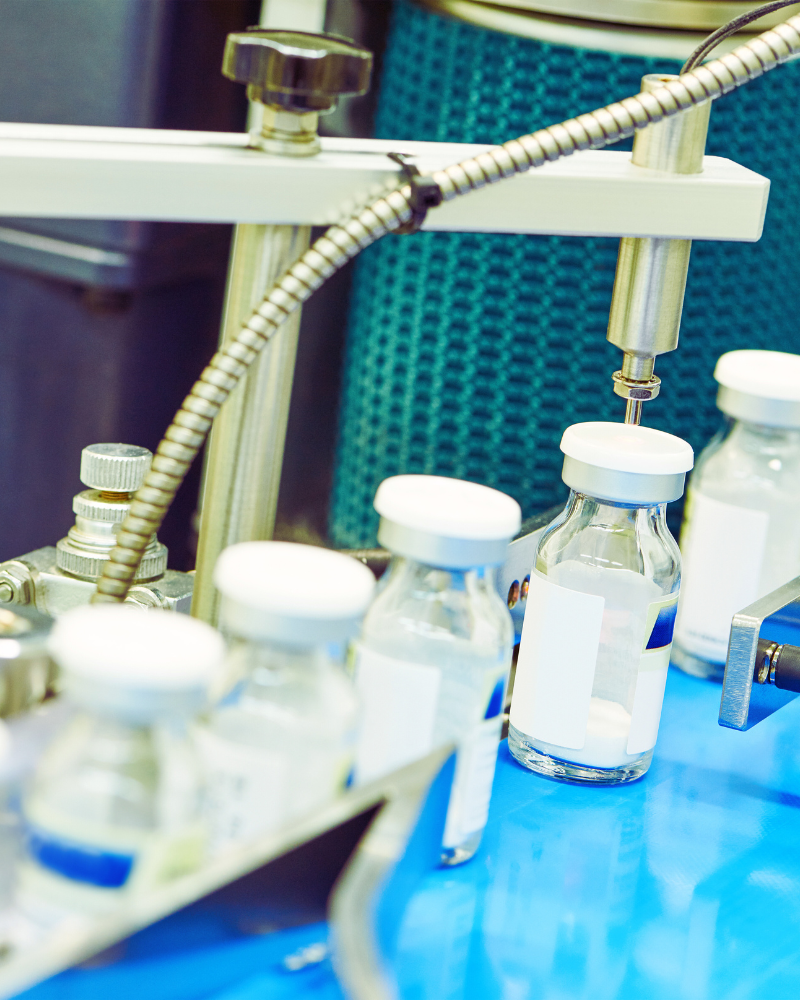
HSI technology is utilized in pharmaceutical production for continuous monitoring and real-time process control to ensure high-quality end products and regulatory compliance, saving time and preventing wastage. It is useful in the evaluation of different product types including powders, granules, capsules, tablets, emulsions, and liquids.
By capturing detailed spectral information at every pixel, HSI enables rapid detection of chemical composition, material uniformity, and anomalies that are undetectable by other traditional imaging methods.
Non-invasive & Non-destructive: HSI enables detailed chemical and structural analysis without modifying samples or requiring invasive biopsies.
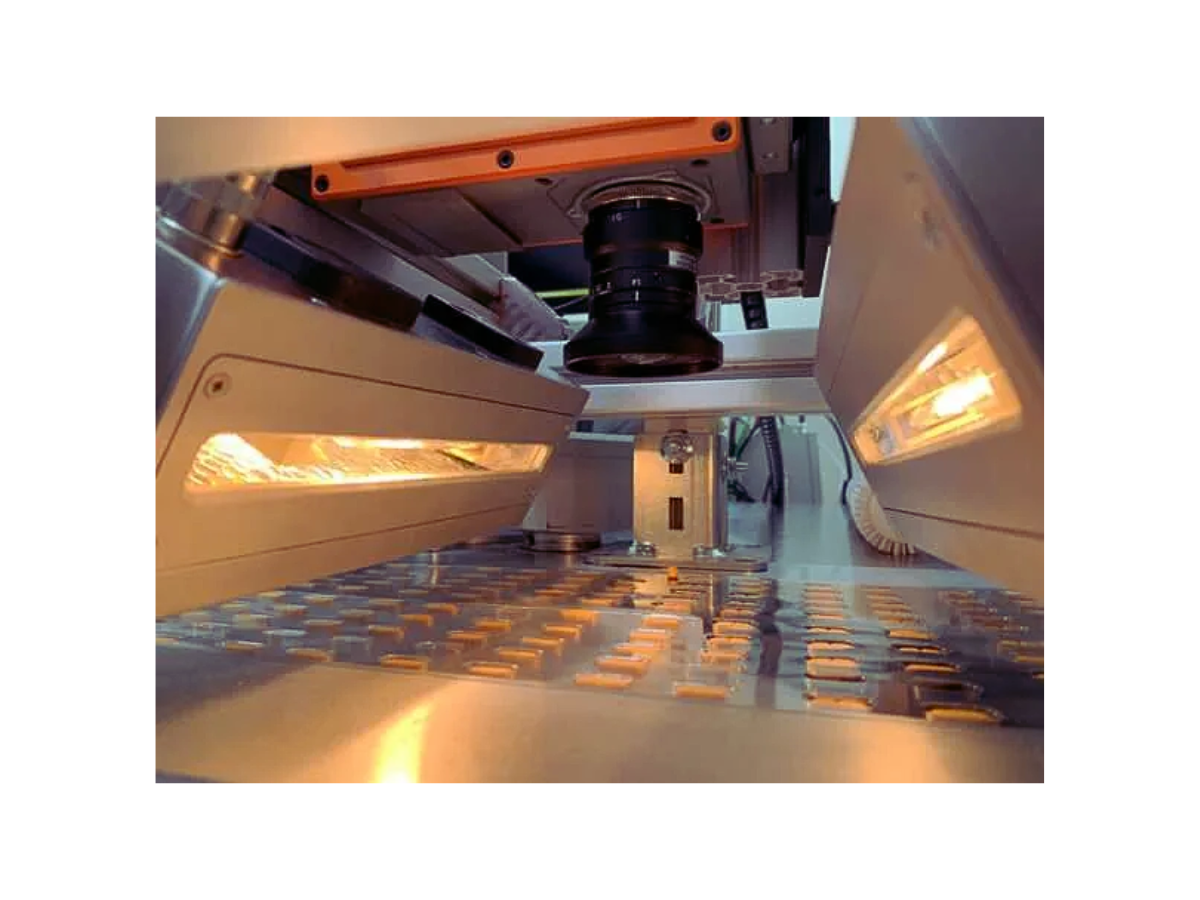
Real-time Quality Control: Gain continuous, inline monitoring of all stages of production, reducing need for off-line testing and detecting issues immediately.
Enhanced Product Safety & Compliance: HSI provides comprehensive data on ingredient classification, concentration, and uniformity ensuring compliance and patient safety.
Improved Diagnostic Accuracy: HSI reveals physiological and biochemical changes that can go undetected with conventional imaging methods, allowing for earlier and more accurate detection of abnormalities.
Increased Efficiency and Cost Savings: HSI streamlines workflows across pharmaceutical production and clinical applications, leading to lower costs, faster throughput and more sustainable operations.
PharmaceuticalResearchandDevelopment
Pharmaceutical research and development demands tools that can deliver rapid, precise and comprehensive data at every stage of the process, from discovery and formulation, to clinical evaluation. Hyperspectral imaging is quickly becoming an essential technology in this process, offering a unique combination of chemical specificity and spatial resolution that cannot be matched by traditional analytical methods.
Common Applications:
Compound identification
Detection of potential contaminants or polymorphic forms
Ingredient distribution map development ensuring uniform blending of APIs and excipients
Stability test process monitoring
Visualization of how product dissolves or releases for optimization of release profiles or exended-delivery formulations
Tissue interaction evaluation, biodiversity assessment and treatment response monitoring for clinical research
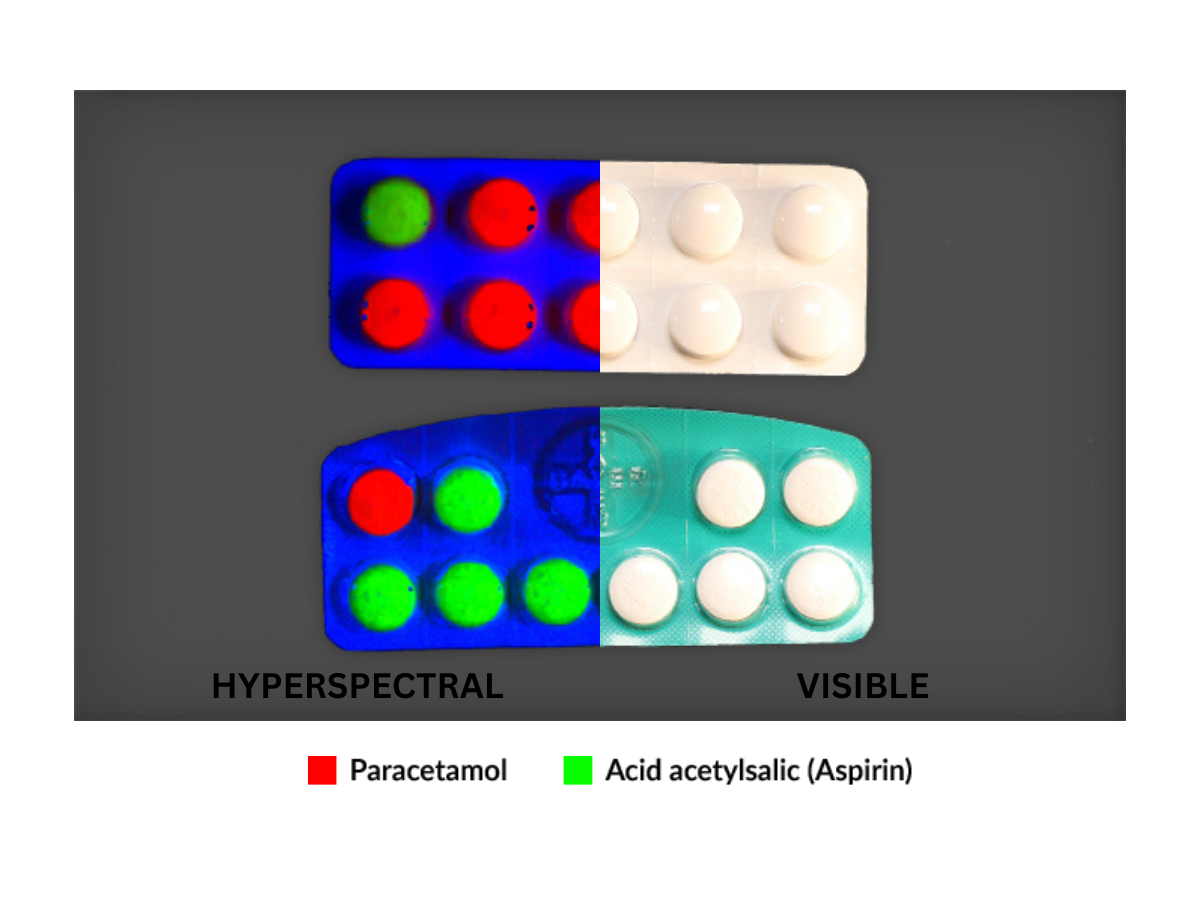
Pharmaceutical products are often visually very similar, even indistinguishable, but can have very different chemical compositions or proportions of active pharmaceutical ingredients (API).
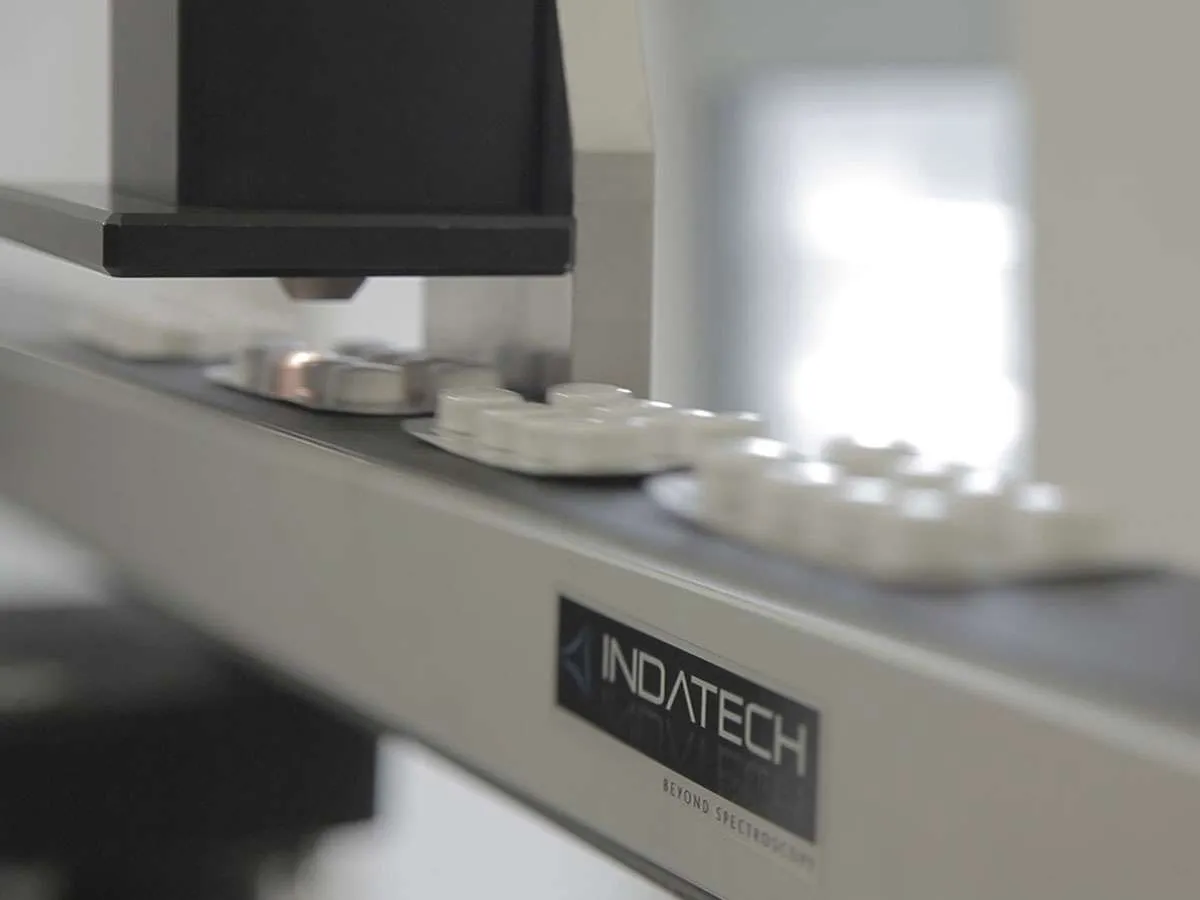
Hyperspectral imaging technology offers an accurate and non-destructive method to quickly analyze the chemical composition of a drug during the production process, ensuring correct active dosage and uniformity. Monitoring during the manufacturing process can be done in real-time and can cover the entire material stream in-line with close to 100% accuracy. This allows manufacturers to ensure their products are pure, consistent and safe.
Common Applications:
Coating uniformity detection
Content consistency evaluation
Counterfeit product detection
Differentiation between APIs, excipients, and contaminants in complex formulations
Continuous monitoring and control of blending, drying, granulation, and compression processes
Hyperspectral imaging technology is emerging as a powerful diagnostic tool in medical applications due to it's non-invasive, hygienic and rapid evaluation capabilities.
Non-contact measurements with hyperspectral imaging systems, such as the Specim IQ, can provide critical insights into tissues, fluids, and physiological conditions. Areas such as surgery, dermatology, ophthalmology and oncology are seeing exceptional growth in the adoption and utilization of hyperspectral imaging technology to deliver faster and improved patient care.
Common Applications:
Non-invasive spectral analysis of skin, wounds, or surgical margins
Detection and evaluation of skin cancers
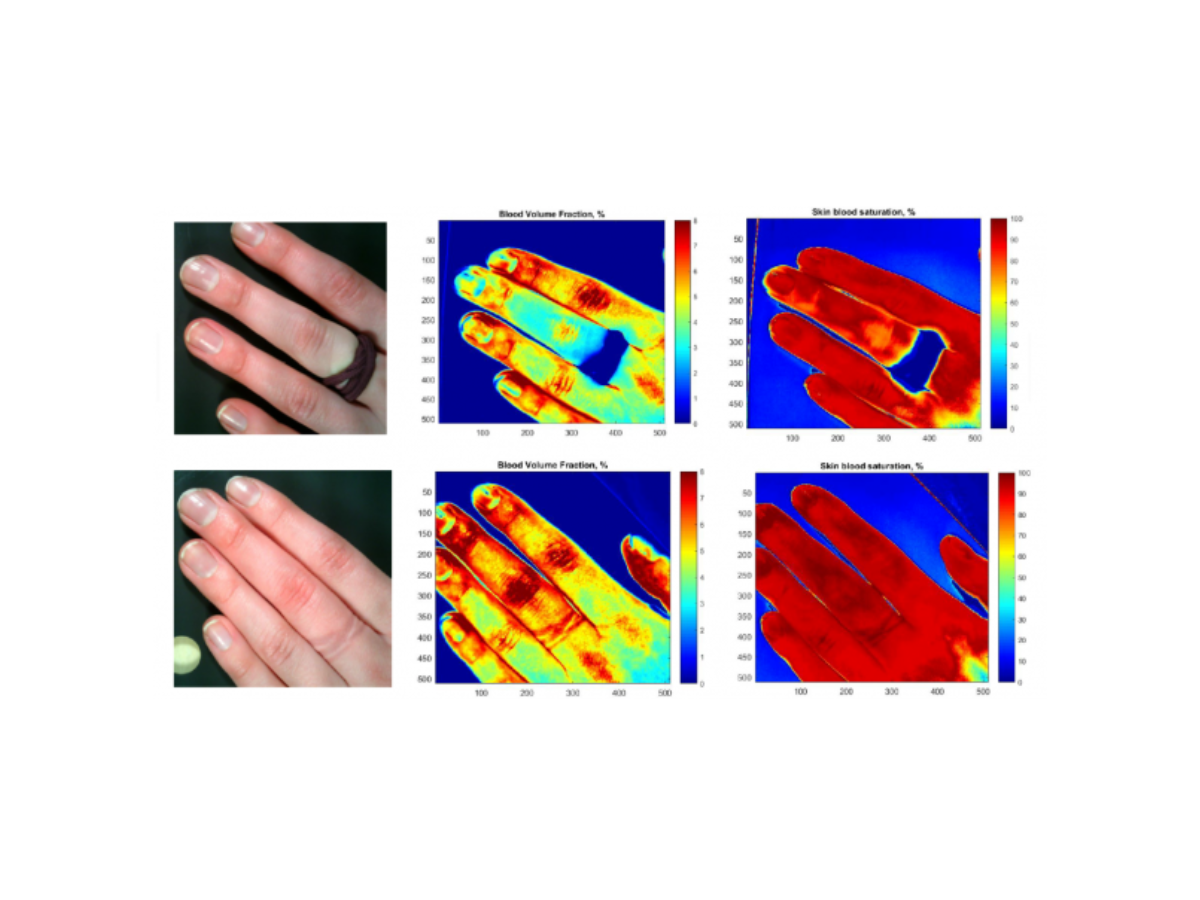
Evaluation of blood circulation and oxygenation efficiency and diabetes-induced blood circulation complications
Real-time visualization of tissue types during procedures
Evaluation of severity and healing stages of wounds and burns